
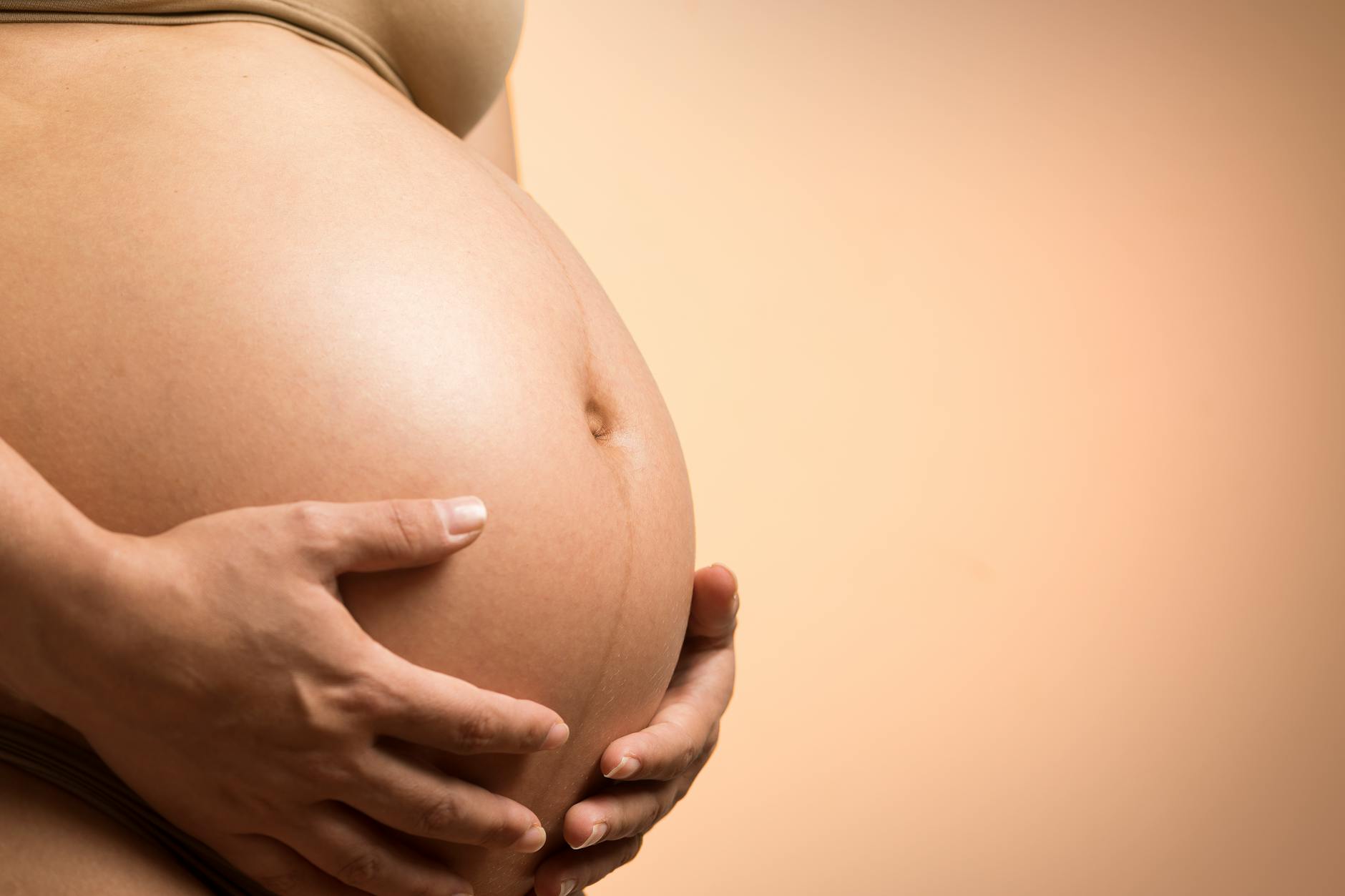
Fertility and Chinese Medicine: Why the “Whole System” Matters Most
Fertility and Chinese Medicine: Why the “Whole System” Matters Most
Modern fertility care tends to divide a woman into parts. Hormones are one category, reproductive organs another, stress a third, and digestion a fourth. Each is treated as if it exists independently of the others. Chinese Medicine begins with the opposite assumption: the body is one coherent system, and fertility is an expression of its overall integrity.
Fertility is not only the ability to conceive. It is the body’s ability to regulate time, maintain rhythm, respond to external stressors, nourish itself, eliminate waste, and move blood and energy to the right places at the right moments. When these functions are working harmoniously, conception is simply one of the natural outcomes. When they are not, the reproductive system is the first to show it.
The Hormonal-Rhythm Connection
Chinese Medicine identifies the menstrual cycle as a diagnostic tool long before hormones were measurable. A healthy cycle is predictable in timing, volume, consistency, and sensation. Deviation from this rhythm isn’t a random inconvenience—it’s a map.
Short cycles signal heat or deficiency. Long cycles suggest cold or stagnation. Pain reveals constraint or obstruction. Light or absent bleeding indicates insufficient blood supply. Heavy bleeding exposes deeper inflammatory patterns.
These are not symbolic ideas. They correspond directly with clinical realities: progesterone instability, follicular delays, luteal phase defects, poor vascularization, elevated cortisol, and more. Chinese Medicine predicted these associations because it studies the body as a collection of relationships, not isolated organs.
Why Stress Isn’t Just “Stress”
Patients often hear that stress affects fertility, but they are rarely told why. From a TCM perspective, emotional tension constricts the Liver system, which governs the free flow of Qi. When this movement slows, blood circulation in the pelvis slows too. Hormone signaling becomes erratic. Ovulation may delay. Luteal warmth becomes unstable. PMS worsens. Sleep quality decreases, which further dysregulates hormones. The reproductive system doesn’t shut down because it is “weak.” It pauses because the body is reallocating resources to survival mode.
Acupuncture breaks this cycle. It restores circulation, downregulates stress responses, and re-establishes hormonal rhythm—all of which directly affect egg quality and implantation.
Egg Quality Is Not Fixed
The idea that egg quality is fixed and unchangeable is a modern myth. While age influences ovarian reserve, the health of the eggs themselves is heavily impacted by circulation, inflammation, metabolic stability, and the supply of nutrients and hormones.
Chinese herbal formulas have been used for centuries to enhance blood quality, improve ovarian function, and regulate the environment in which follicles develop. These formulas are not generic supplements. They are therapeutics tailored to the specific pattern that is disrupting fertility—whether that is heat, cold, deficiency, stagnation, or a combination.
Acupuncture improves ovarian blood flow, reduces oxidative stress, and improves the responsiveness of the ovaries to natural or medicated cycles. In IVF, this can mean better follicular development, thicker lining, and improved clinical pregnancies.
The Luteal Phase Is the Most Misunderstood Part of the Cycle
Most early pregnancy losses occur because the body cannot maintain adequate warmth, circulation, or hormonal stability after ovulation. In Chinese Medicine, this is understood as a deficiency of Yang—the warming, activating aspect of the system. When Yang is weak, progesterone is unstable. The uterus does not remain warm and nourished. Implantation becomes fragile.
This is why so many women who “did everything right” can still struggle. The follicular phase may look perfect, but the luteal phase collapses under even small stressors. Acupuncture strengthens Yang and stabilizes the luteal environment so the body can hold what it creates.
Fertility Requires Abundance, Not Perfection
Western fertility metrics often ask:
Is the ovary working?
Are the tubes open?
Is sperm present?
Chinese Medicine asks more useful questions:
Does the body have enough abundance to sustain two lives at once?
Is there enough blood, warmth, and energy to support gestation?
Is the rhythm of the cycle stable and predictable?
Is the emotional system regulating properly?
Is the digestive system providing adequate nourishment?
Conception is not achieved through mechanical function alone. It is achieved through surplus. The body must feel safe enough to invest resources into reproduction.
The Power of Combining Traditions
The best fertility outcomes come when Chinese Medicine works alongside modern medicine. Acupuncture improves IUI and IVF success rates. Herbs stabilize cycles. Diet and metabolic support restore foundational health. Western diagnostics identify structural issues while Chinese Medicine explains functional ones.
Patients who use both systems consistently:
- regulate their cycles more quickly
- respond better to medicated cycles
- develop healthier follicles
- experience fewer PMS and perimenopausal symptoms
- carry pregnancies more sustainably
Not because acupuncture is “magic,” but because it corrects the imbalances that modern medicine often overlooks.
A Final Word
Fertility is a reflection of how well the entire body is functioning. When the body is aligned, receptive, and abundant, conception follows. Chinese Medicine does not force the body into fertility—it restores the internal conditions that make fertility possible.


